Home-schooling and home-educating are two terms often used interchangeably, but do they mean the same thing? If not, how do they differ, and which term should we be using?
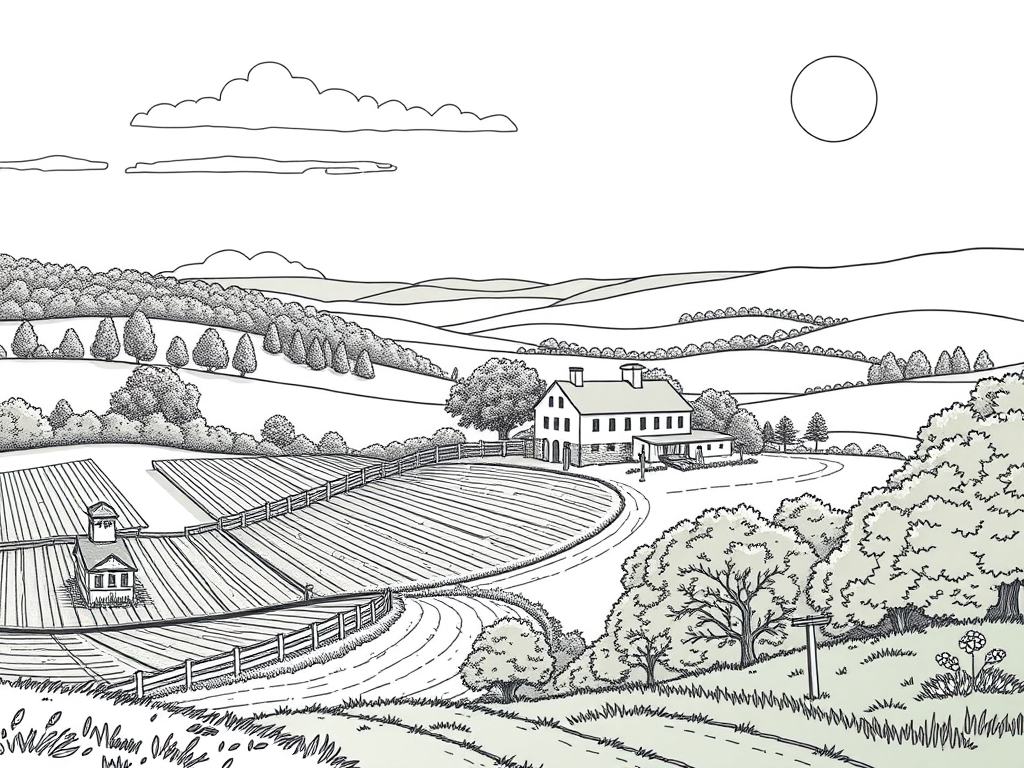
Prior to the late 1800’s, the majority of children were educated at home- but this looked very different from what we would consider ‘schooling’ today. What you learnt was very much dependent on who you were. Many working-class children learnt little more than some basic arithmetic and how to sign their names- at least from an academic perspective. Yet they spent many hours developing their practical knowledge: learning the family trade or how to run a household. Meanwhile, upper-class children often followed more formal curricula, though these too were divided sharply by gender. Boys often received a broad academic education in the sciences, humanities, languages and more. While girls were typically guided toward subjects deemed more ‘appropriate’ such as literature, music, fine arts, and needlework.
The idea of education in this era (regardless of class) was to prepare the child for their expected role in society. It was holistic, if not always fair or just. Children often managed the transition into adult responsibilities with a certain level of confidence and competence, having spent years informally learning the skills, routines and expectations of their adult role.
While few would wish to return to such a divided and restrictive era, it could be argued that many children of that time emerged into adulthood more practically prepared for their societal roles than many do today.
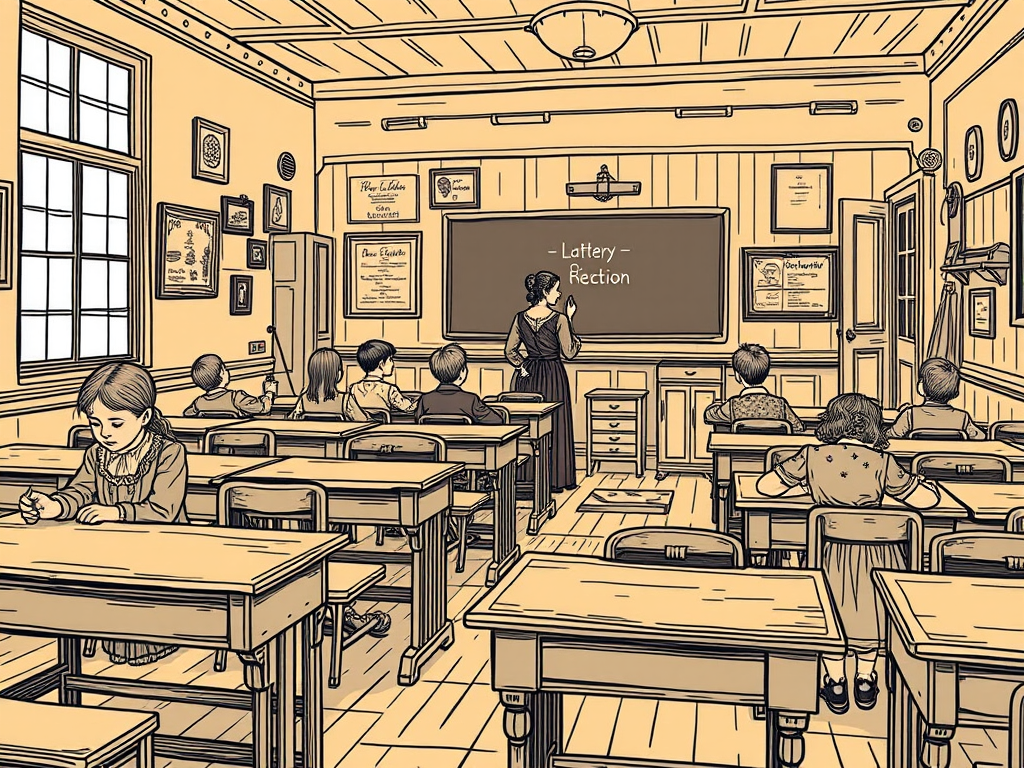
By the early 20th century, traditional schooling had become the norm in much of the United Kingdom. Education was gradually standardised, and learning became something that happened primarily within school buildings, during school hours, and in distinct subject-based blocks. This brought with it many benefits: increased access for children of all classes and genders, improved education levels for all, and greater opportunities for social mobility. However, it also contributed to a shift in how we define learning. Education now became something measured in grades and test scores, with ‘success’ often tied to academic achievement above all else.
This is where the distinction between home-schooling and home-educating becomes meaningful.
So, what’s the difference?
The term home-schooling typically evokes the image of a child following a school-style curriculum at home. Lessons might be timetabled, subjects compartmentalised, and learning assessed in a similar way to that of traditional schools. Simplified: it suggests replicating school at home. There is nothing wrong with this approach- some families and children thrive with a structured routine and a familiar framework- but it’s only one way of educating at home.
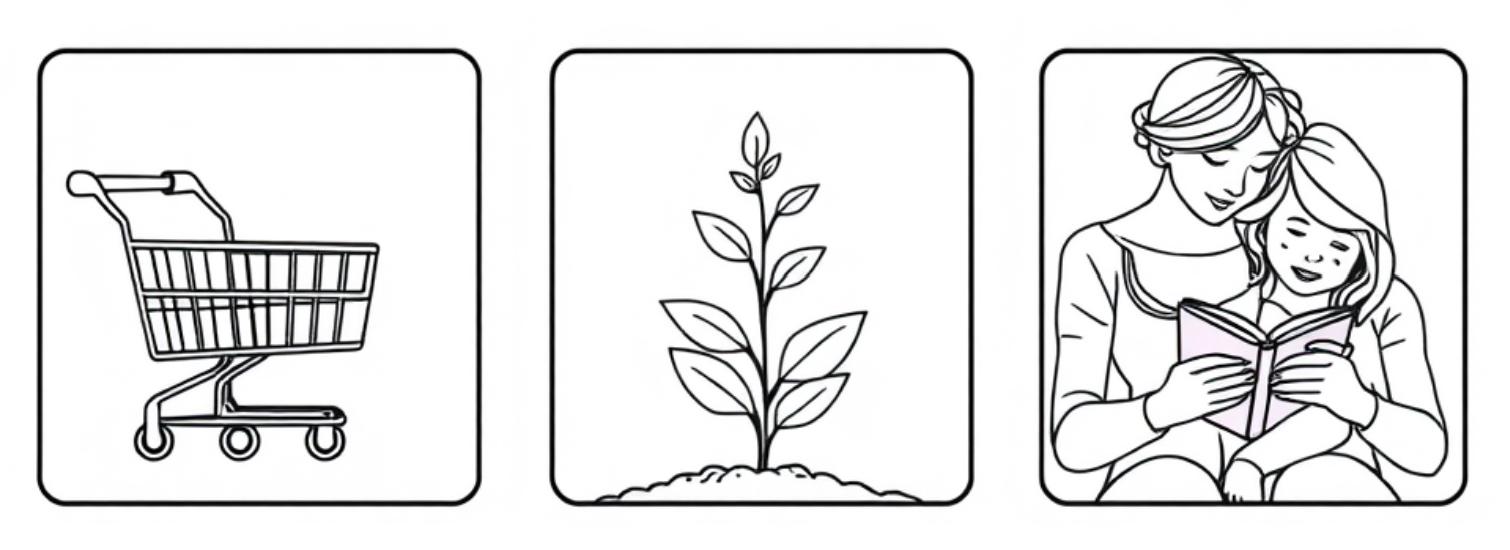
Home-educating, by contrast, suggests a broader and more flexible concept. By it’s very name it recognises that education is not confined to workbooks and academic achievement. Home-educating families often see learning as something that happens all the time, in all kinds of settings, through conversation, play, observation, exploration, and life experience. It may, and generally does, include elements of more traditional schooling, but adds to and develops this to include areas often neglected within this more restrictive term. A home-educator may note that a trip to the supermarket could spark a discussion on pricing, budgeting, nutrition, or even supply chains and ethics. Time spent in the garden could lead to explorations of botany, ecology, and responsibility. Crucially subjects are interlinked, presented in ways that are meaningful to children, and allow and encourage curiosity and questioning.
Significantly, home-education seeks to develop not just subject knowledge but skills and attitudes alongside this. Curiosity, independence, emotional literacy, critical thinking, resilience, creativity and more are all considered as important as any core subject. These qualities are increasingly recognised as vital for success in the modern world, yet they can be difficult to prioritise (often despite the best efforts of schools and teachers) in a more traditional schooling system under pressure to meet targets and continuously prioritise academic success.
That’s not to say that schools (or families following a more traditional home-schooling approach) don’t aim to nurture the whole child -they absolutely do- but they are often constrained by time, strict scheduling, or curriculum demands. Home-education offers a different rhythm, allowing parents to attune and adapt to their child’s needs, interests, and progress, growing and developing right alongside them. Home-educating allows families to spend time prioritising the development of key skills and attitudes alongside knowledge and therefore equipping their learners for the challenges of the modern world.
Why I Choose the Term Home-Educating
For these reasons, I prefer the term home-educating. It reflects the richness and breadth of what learning at home can be. It suggests something bigger than recreating school at the kitchen table. It acknowledges that education isn’t something that can be purely confined to a worksheet or assessed by a test (although both these can be used effectively!). It’s about nurturing and equipping a whole person – not just memorising facts and figures.
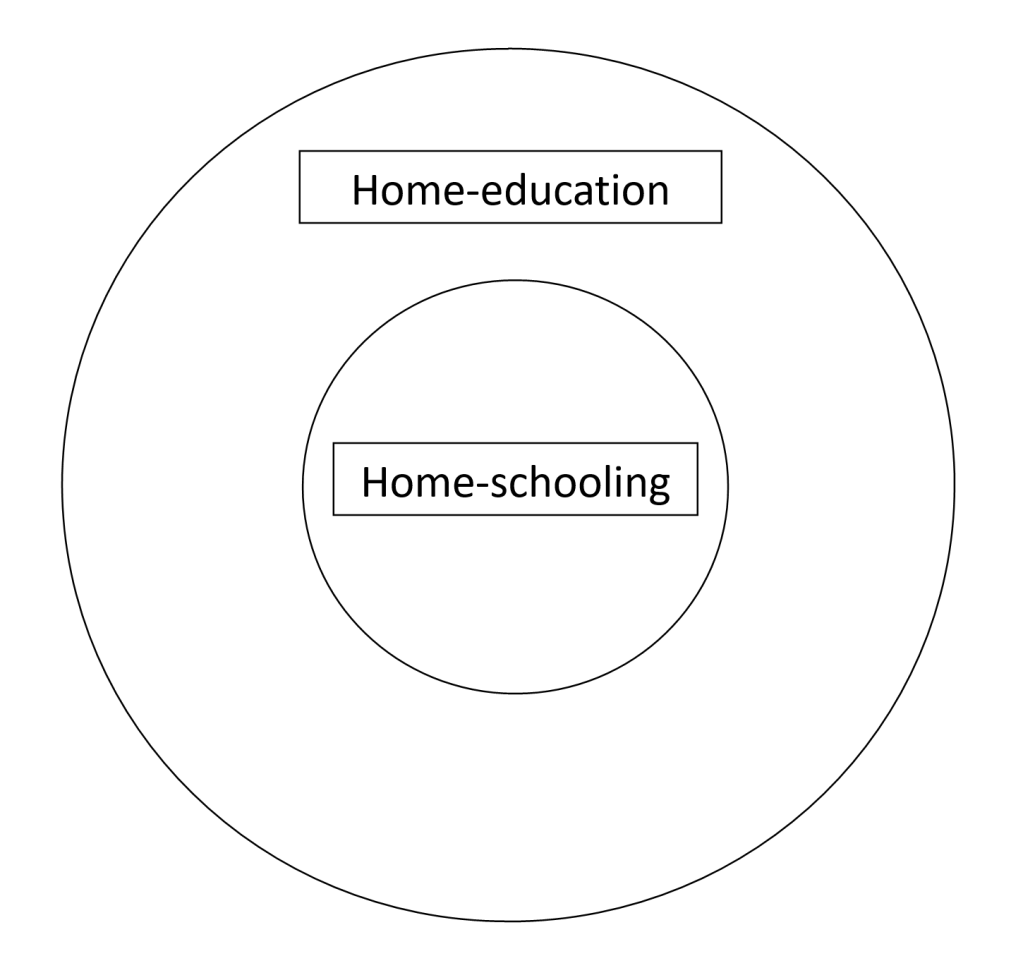
So while the terms may overlap, I believe the distinction is worth understanding. Home-schooling might describe the method. Home-educating, to me, captures the philosophy.
And perhaps, as more families explore alternative paths, we’ll continue to expand on what ‘education’ really should mean.
“Education is what remains after one has forgotten what one has learned in school.” —Albert Einstein
 The Curious Learner
Leave a comment